

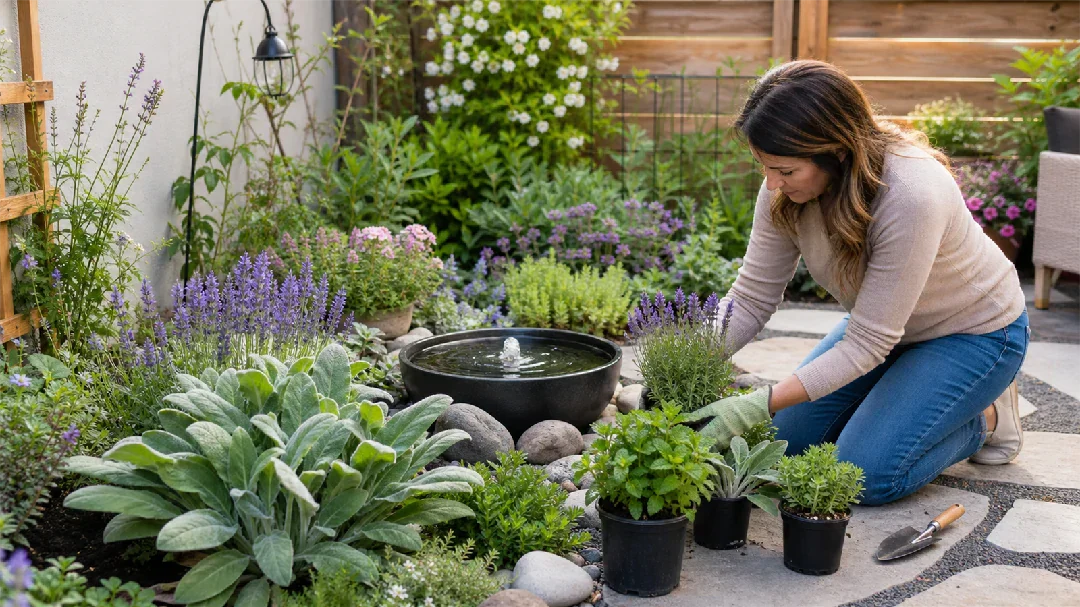
The first thing you should know when creating a sensory garden is that it is not necessary to possess a vast territory. My sensory garden started with planting some plants in one little backyard corner. Over time, the garden grew, and now it is among the best places where I like to relax.
A properly designed garden can be beautiful, interesting, and interactive.
Why Is Sensory Design in the Garden Important?
Proper sensory design will allow you to feel a change in the atmosphere of a garden that is already planted. After implementing several small changes in my garden, I noticed that the atmosphere there had changed dramatically for the better.
Key Elements of a Sensory Garden

Sensory gardens must provide the following key elements:
- Visual contrast (colors, shapes, moving objects)
- Sounds of nature (water, wind, leaves)
- Textured plant material
- Aromatic plants (lily, rosemary, lavender)
- Edible plant material
How to Plan a Sensory Garden
There is no need to make this task difficult for yourself. Start from scratch with a tiny part of a garden and add something new every week.
Before planning, you should pay attention to the following factors:
- Light distribution
- Winds
- Users of the garden
This way, it is easier to create a proper balance of elements.
Sensory Garden Ideas for Each Sense
Dividing a garden according to the senses allows you to simplify the process of creating it. All the senses do not have to be engaged at one moment.
Sight
Combine high and low plants, plants with bright colors, and plants with dark green foliage.
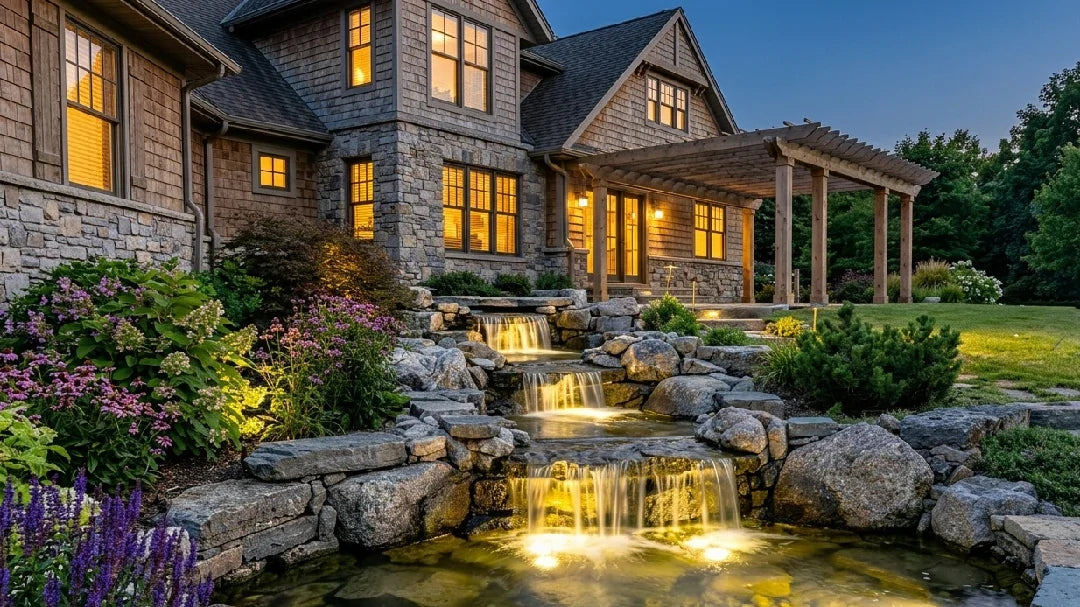
Moving water will be helpful here too.
Sound
This element is important for a sensory garden.
The fountain will add a pleasant, soft, natural sound to the space, and it will become cozy and relaxing.
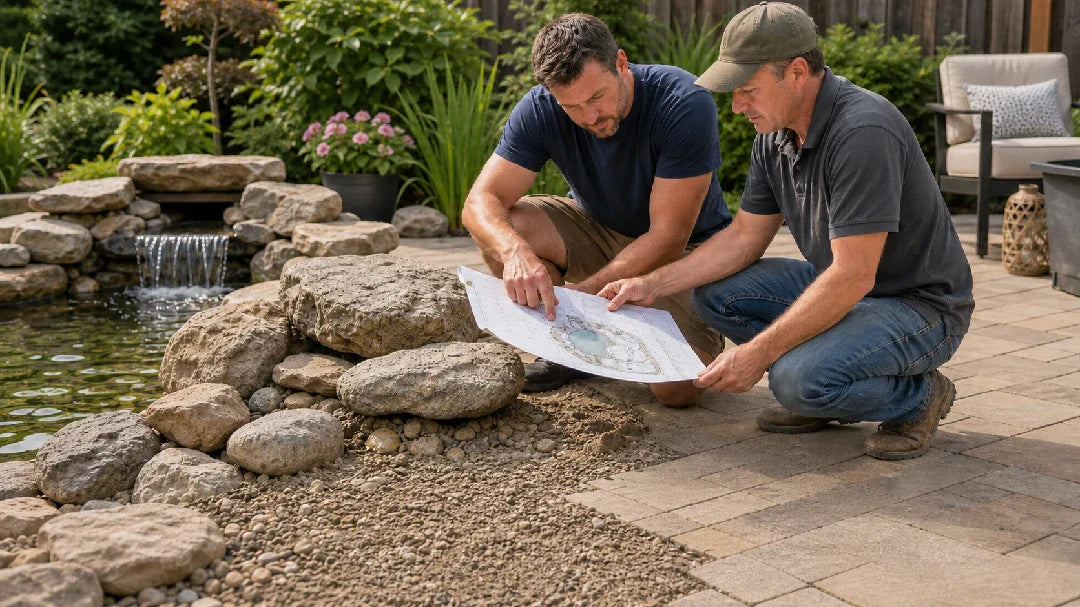
A pond waterfall for a sensory garden can create a deeper natural sound experience, adding gentle flowing water sounds while making the outdoor space feel more peaceful.
Touch
Try to involve textured elements in your garden.
Plants with soft leaves, rough bark, or smooth stone elements will work perfectly here.
Smell
Plant aromatic plants here.
Easy-to-grow aromatic plants include lavender, mint, and others.
Taste
If you have more space, it is possible to add an edible element.
Herbs are a good starting point for this.
How to Build a Sensory Garden
Creating a garden is not as hard as it may seem. It is enough to start gradually with a couple of easy steps.

Setup Steps
- First of all, plan the garden and decide on its layout.
- Select the main element and arrange plants around it according to their size.
- Add a solar fountain for both sound and visual effect.
- If you want more stability in the water, you may add a water filtration system to your fountain.
Sensory Garden for Kids

When thinking of creating a sensory garden for children, it is necessary to ensure their safety.
Low-height features, rounded corners, and safe plants are a must-have.
A bird bath fountain is a great choice for kids. Its design provides minimal splashing. Moreover, its system, like Poposoap, is easy to assemble and use.
Sensory Garden Maintenance Tips

The easier the garden is to maintain, the faster you can enjoy it.
- Provide water for your plants.
- Regularly remove dead plant leaves.
- Trim plants.
- Maintain water features.
I realized that a small weekly check of my garden is more than enough.
Cleaning the fountain pump occasionally helps maintain a steady flow of water.
Conclusion
Creating a sensory garden in the backyard does not have to be complicated. A well-designed sensory space can become the place where you relax and recharge.
A combination of textured plants, moving water, and plant fragrances can turn any garden into a wonderful natural oasis.
Companies such as Poposoap make it easier. Their fountain products are lightweight, fast to assemble, and environmentally friendly.

SPF326 20W 280GPH Solar Pond Filter Fountain
$119.99
Clean and oxygenate your pond with this 20W solar pond filter pump. Eco-friendly 280GPH flow ideal for small to medium backyard water features.
FAQ
1. What Is a Sensory Garden?
A sensory garden is a garden designed to engage all your senses.
2. Can I Build a Sensory Garden in a Small Space?
Yes, even a small part of a garden can be turned into a sensory space.
3. What Is the Easiest Feature to Add?
A small fountain is an excellent choice for a sensory garden.
4. Is a Sensory Garden Good for Kids?
Yes, this garden encourages children to interact and explore safely.

Laisser un commentaire
Tous les commentaires sont modérés avant d'être publiés.
Ce site est protégé par hCaptcha, et la Politique de confidentialité et les Conditions de service de hCaptcha s’appliquent.