

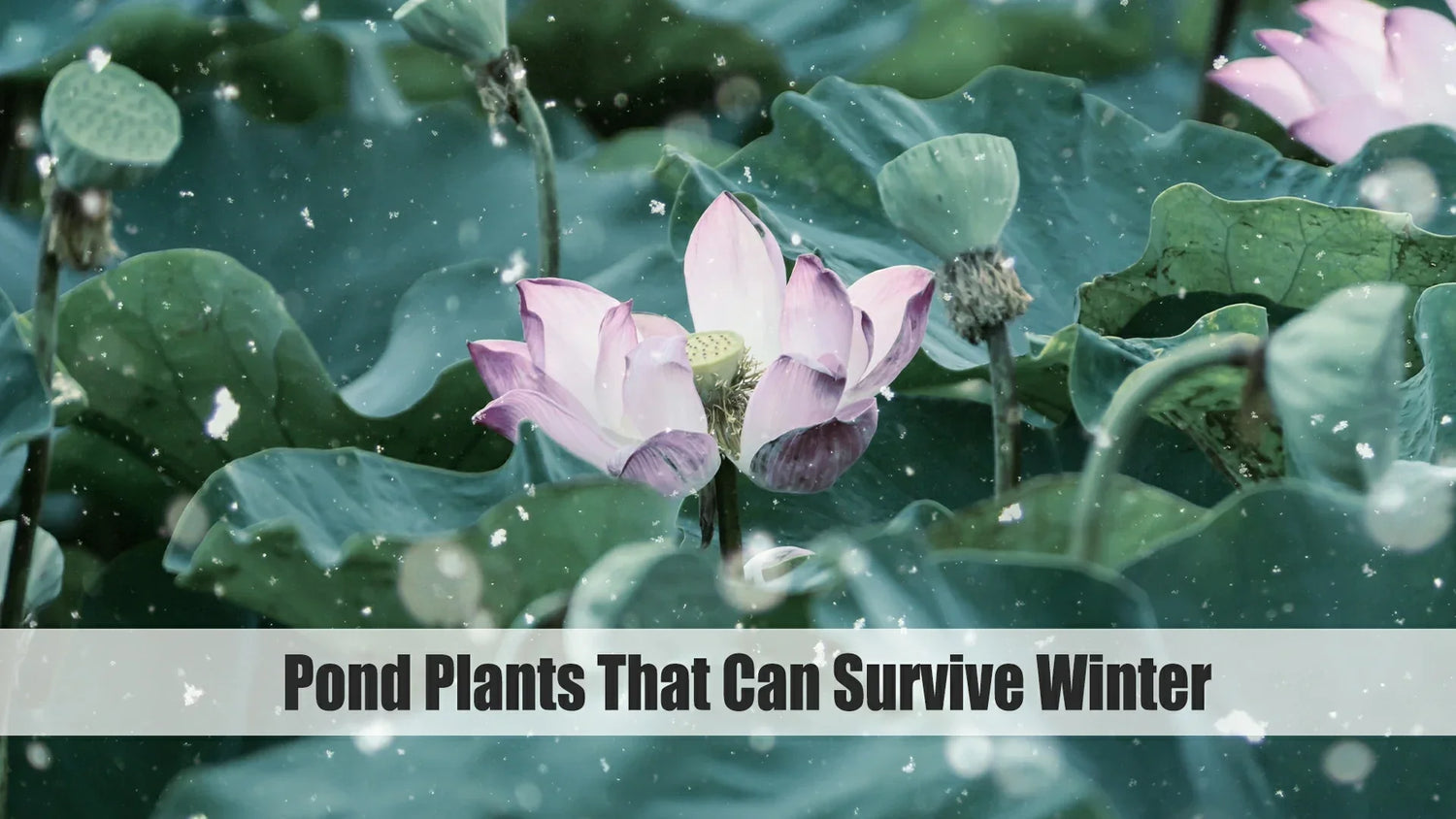
The winter period creates difficulties for plants that grow in ponds because of two problems, which include cold temperatures, ice cover and decreased sunlight exposure. The winter season does not result in the complete disappearance of all plant species. The pond plants that grow during wintertime possess natural abilities that enable them to endure freezing weather conditions.
The pond plants, which display toughness, enter a state of reduced growth, which enables them to retain their energy until the arrival of spring. Through their selection of appropriate cold-resilient pond plants, pond owners can achieve environmental equilibrium. Safeguarding water resources and maintaining aquatic ecosystems during the winter season.
What Are Hardy Pond Plants and Why Do They Survive Winter
Hardy pond plants are aquatic plants that can tolerate freezing temperatures and long periods of dormancy. The plants show a tolerance to freezing temperatures and long dormancy periods, which distinguishes them from tropical aquatic plants that require warm water for their entire life cycle. Plants from tropical regions need water temperatures to stay above 15°C because they will perish when exposed to frost. The growth of cold-hardy pond plants decreases during wintertime because they need to store their energy in roots and rhizomes.
The most common way that winter pond plants stay alive is through their above-ground parts dying while their underground root system stays alive through the winter period. The term dormancy describes the natural process when plants enter a growth suspension period. These plants create essential functions for ponds during the winter season.
They maintain the pond bottom through their stabilizing function, while they stop nutrient accumulation and create hiding spaces for fish and helpful microorganisms. Winter pond ecosystems contain three types of plants, which include underwater plants, edge-growing plants, and resilient water plants.
Popular Winter Pond Plants and Their Role in Cold Ponds

Several winter pond plants are especially valued for their resilience and function. American Water Lotus represents this category as an excellent example. The plant leaf and flower display die back for the fall, but the roots stay alive under the water. The roots of the plant enable it to grow back with full strength during the late spring period. The plant offers fish protection throughout the entire growing period.
Hardy water lilies are another favorite. The plant uses its thick rhizomes to store energy during the whole summer period. The leaves die in winter, but the plant continues to live when it grows underground at a depth that protects it from frost. The lilies create shaded areas, which help diminish pond algae development during the summer season.
Corkscrew Rush is a marginal plant with twisted stems. The foliage changes to brown color when the temperature decreases. Dead plant material needs removal because it creates pond decay, while it helps the plant grow back. Pickerelweed is known for its upright growth and purple flowers. It survives winter by retreating to its roots, which remain protected in shallow water or marsh zones. Marsh marigold is one of the earliest spring bloomers. It thrives in wet soil near pond edges and reliably returns each year after winter.
How to Prepare Pond Plants for Winter

Winter preparation for pond plants leads to better survival rates. Start by removing dead or dying foliage in early fall. This prevents decaying plant matter from polluting the water (organic waste buildup). The ideal solution for potted plants requires their transfer to deeper pond regions where water temperatures maintain consistent levels.
Depth is critical. The majority of hardy plants need to be planted below the frost boundary. In many regions, this means placing them 12–24 inches deep. Most newcomers who start gardening make the mistake of planting at shallow depths. People who start gardening make the mistake of cutting plants into their fundamental components. Plants become less resistant to winter conditions when people cut their stems and leaves excessively.
The late season should not receive any fertilization. Fertilizer creates optimal conditions for new growth, which becomes at risk from frost damage. The pond requires partial plant existence because healthy winter plants bring bacteria support, which helps waste breakdown.
The maintenance of gentle water flow during the wintertime serves as a useful practice. The Poposoap 50W 360GPH Solar Water Fountain Pump operates as a solar-powered system that circulates water while decreasing stagnant water on its surface. Light circulation supports oxygen exchange and prevents debris from settling too quickly, without disturbing dormant plants.
Cold Hardy Pond Plants for U.S. Winter Climates
| Plant | USDA Zones | Plant | USDA Zones |
|---|---|---|---|
| Blue Flag Iris | 3-9 | Sweet Flag | 3-10 |
| Cardinal Flower | 3-9 | Hardy Water Lilies | 3-10 |
| Cattails | 3-10 | American Lotus | 4-10 |
| Corkscrew Rush | 4-9 | Hornwort | 3-8 |
| Marsh Marigold | 3-8 | American Waterweed | 3-8 |
| Pickerelweed | 3-10 | Water Hawthorn | 6-10 |
| Creeping Jenny | 4-9 |
For cold regions of the United States, the following cold-hardy pond plants are reliable choices:
American Water Lotus – Best in USDA zones 4 to 10 and thrives in large pond environments.
Hardy Water Lilies – Best in zones 3 to 10 when gardeners plant them at the proper depth.
Corkscrew Rush – Best in zones 4 to 9, which makes it suitable for pond edge areas.
Pickerelweed – Best in zones 3 to 10 while providing food for pollinators.
Marsh Marigold – Demonstrates excellent growth from zones 3 to 8 while providing springtime flowers.
Your choice of regional plants will help your pond achieve stability, which prepares it for a healthy springtime period.
Conclusion: Prepare Now for a Healthier Pond in Spring
The process of winterizing your pond needs to be done because it protects your pond during the winter months. The combination of proper cleaning, plant care, fish protection and equipment preparation works together to stop freezing damage, bad water conditions and dangerous gas accumulation.
The steps you take here will safeguard your pond ecosystem during its winter dormancy period while making it easier to start operations in spring. The combination of aerators, heaters, and cleaning kits provides everything needed to handle winter pond maintenance work with efficiency and effectiveness.
To receive complete instructions about fish, pumps and seasonal maintenance work, please proceed to our next guide: Winterize Your Pond: Your Critical Guide to Protecting Your Pond for a Healthy Spring. It will help you keep your pond healthy all year long.

50W 360GPH Solar Water Fountain Pump
$149.99
Bring life to your pond or garden with this large 50W solar fountain pump. 360GPH flow, eco-friendly, perfect for outdoor ponds, bird baths, and water features.
FAQs About Winterizing a Pond
Start when temperatures consistently drop below 50°F (10°C)
It is recommended that you keep fish, as it prevents complete surface freezing.
Yes, unless it is rated for cold weather and properly protected.
Yes, fish can survive in a pond during winter if oxygen levels stay constant and the pond water remains unfrozen.

Laisser un commentaire
Tous les commentaires sont modérés avant d'être publiés.
Ce site est protégé par hCaptcha, et la Politique de confidentialité et les Conditions de service de hCaptcha s’appliquent.