

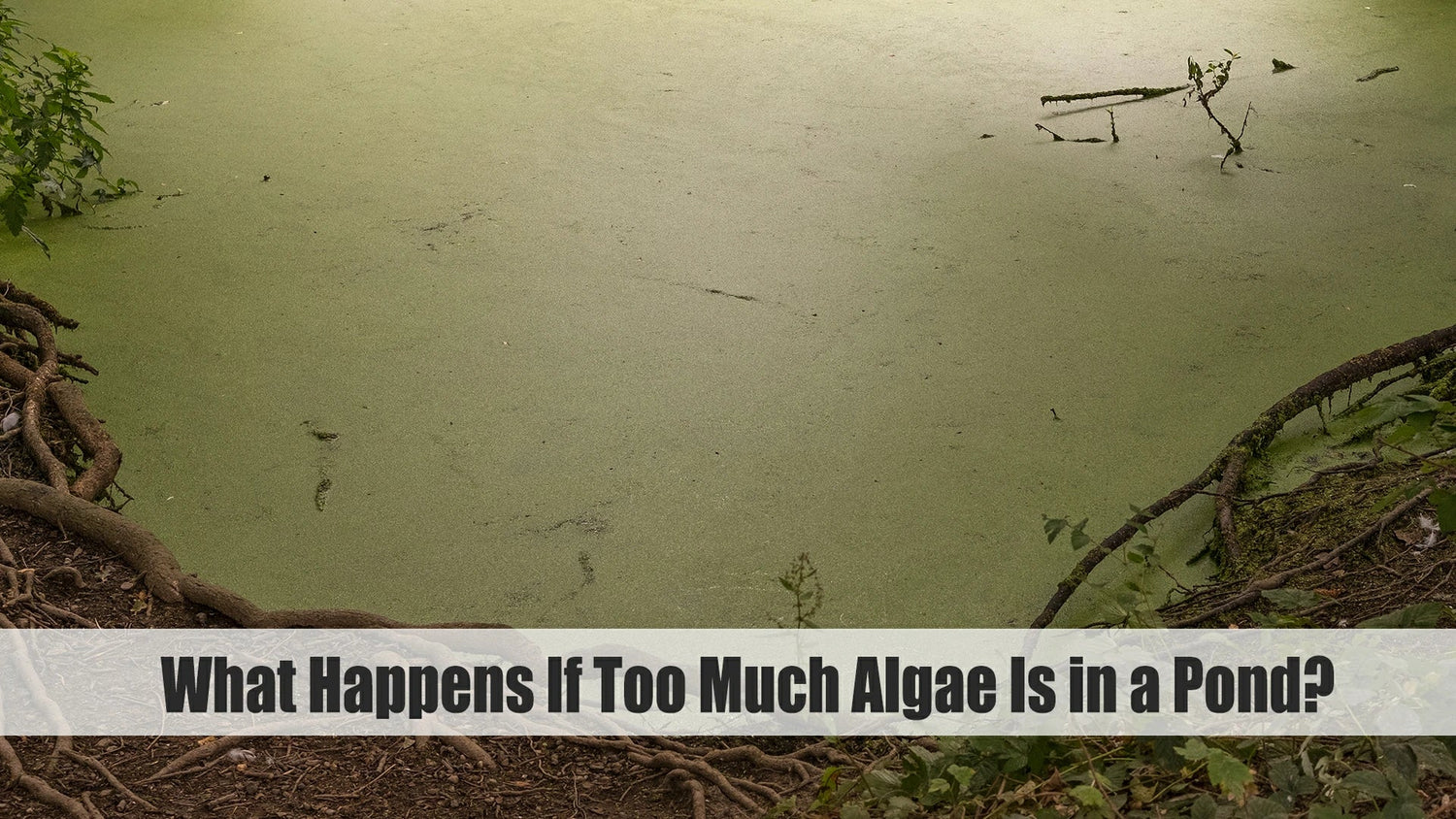
Most pond owners expect some degree of algae; it's part of a healthy living pond. But when it starts to grow too rapidly or forms thick mats on the surface, this peaceful picture can turn problematic in little time. Excess algae doesn't just make the water look unhealthy, but it can disrupt oxygen levels, stress fish, and interfere with the natural balance of your pond's ecosystem.
Fortunately, once you understand the type of algae in the pond, the causes of outbreaks, and how to manage filamentous algae, clarity can be restored and future problems prevented. Eco-friendly water movement and filtration—such as Poposoap solar fountains, pond filters, and waterfall kits—play a major role in keeping ponds balanced by improving circulation and supporting beneficial bacteria.
Introduction - When Algae Becomes a Problem
Algae are a normal constituent of any freshwater ecosystem. In small quantities, they feed microorganisms, produce oxygen, and support the pond food chain. But when conditions shift—too much sunlight, too many nutrients, or too little water movement—algae can grow faster than the ecosystem can handle.
This leads to:
- Thick green mats on the surface.
- Cloudy water
- Floating stringy clumps
- Rapid decline of plants
- Fish gasping near the surface
When algae growth gets out of control, it is simply telling you that the ecological balance needs attention.
Understanding the Types of Pond Algae
Different types of pond algae behave differently. The major categories include:

1. Planktonic Algae
- Causes green, pea-soup water
- Stays suspended in the water column
- Common in nutrient-rich ponds
2. Filamentous Algae (Filamentous Green Algae)
- Forms long, stringy, hair-like strands
- Clings to rocks, plants, or floats in loose mats
- Often referred to as “string algae” or “blanket weed”
3. Blue-Green Algae (Cyanobacteria)
- Slimy, sometimes toxic
- Forms scum on the surface.
- Indicates severe nutrient imbalance
Among these, filamentous algae is the most common nuisance in garden ponds due to its aggressive growth and formation into thick unsightly masses that interfere with water movement.
Causes of Excessive Algae Growth
Algae thrive in an imbalanced pond ecosystem. Common triggers include:
1. Excess Nutrients
High levels of nitrogen and phosphorus from fish waste, uneaten food, and decaying plants are the number one cause of algae outbreaks.
2. Stagnant Water
Still water causes rapid multiplication of algae.
Poposoap solar fountains and waterfall kits provide water circulation and maintain oxygen levels in the water to prevent stagnant pockets.
3. Too Much Sunlight
Shallow ponds, or ponds receiving no shade, heat up very quickly. This heating accelerates the photosynthesis of algae.
4. Inadequate Filtration
Waste accumulates without strong mechanical and biological filtration, thereby fostering the growth of algae.
5. Tepliche Skladnia
Algae grow best in hot weather when water circulation is minimal.
Poposoap pond filters feature multi-stage filtration media to remove debris and provide support for beneficial bacteria that compete with algae.
What Happens When There's Too Much Algae in a Pond?
Excessive growth of algae can severely affect pond health in a number of ways:
1. Reduced Oxygen Levels
Algae die and decompose, using up a large amount of oxygen that can starve fish, especially at night when plant photosynthesis stops.
2. Fish Stress or Fish Kills
Low oxygen levels and fluctuating pH associated with algae blooms are known to stress fish, sometimes causing illness or even mass die-offs.
3. Sunlight Blocked
Thick mats of algae can prevent light from reaching aquatic plants, which in turn die off and further exacerbate existing water-quality problems.
4. Faster Buildup of Waste
Algae decomposition increases sludge, foul odors, and ammonia levels.
5. Disrupted Ecological Balance
Beneficial bacteria, plants and oxygen-dependent organisms all suffer.
Excessive algae always indicates that circulation, oxygenation, and filtration need to be improved—key areas addressed by Poposoap's pond-care designs.
How to Control Filamentous Algae Naturally

Natural filamentous algae control seeks to reintroduce balance rather than resort to harsh chemicals.
1. Improve Water Circulation
Solar fountains, submersible pumps, and waterfall kits enhance oxygen levels and disturb algae growth organically.
2. Enhance Filtration
Physical filtration removes debris while biological filtration supports bacteria that consume excess nutrients.
3. Add Beneficial Bacteria
Bacterial colonies break down organic waste before algae can feed on it.
4. Introduce More Aquatic Plants
These plants outcompete algae for nutrients. Good options include water lilies, water lettuce, and oxygenating underwater plants.
5. Manually Remove Algae Mats
Skimming floating clumps helps reduce biomass and prevent further spread.
6. Reduce Feeding and Fish Density
Less food and fewer fish mean fewer nutrients fueling algae growth.
Filamentous Algae Control Tips by Season
Because algae respond to temperature and sunlight, prevention strategies change throughout the year.
Spring
- Start filtration early
- Add beneficial bacteria
- Increase circulation with fountains
Summer
- Provide shade
- Maintain constant water movement
- Frequently remove algae mats
Fall
- Reduce feeding
- Rake fallen leaves
- Enhance biological filtration
Winter
- Keep some water movement to prevent stagnation.
- Avoid overstocking fish before winter dormancy
Solar and low-energy circulation tools like the Poposoap solar fountains also provide reliable water movement during all seasons.
How to Prevent Pond Algae Problems Long-Term

1. Maintain Continuous Oxygen Circulation
Aerators, fountains, and waterfalls keep oxygen levels high and water moving.
2. Clean and Maintain Filters Regularly
Dirty filters become less efficient and allow wastes to accumulate.
3. Maintain the Balance of Vegetation
Too little plants = excess nutrients
Too many plants = oxygen drop at night.
4. Avoid Fertilizer Runoff
Keep lawn fertilizer away from pond edges.
5. Add Biological Media
Filtration systems with bio-media, such as those utilized in Poposoap pond filters, provide the necessary support for beneficial bacteria, which play a very important role in long-term algae control.
Conclusion – Keep Your Pond Clear and in Balance
Algae only become a problem when their growth rate surpasses the natural balancing processes within a pond. Too much algae reduces oxygen, stresses fish, and throws the ecosystem out of balance—but with the right strategies, you can restore clarity and build a healthier pond environment.
Eco-friendly tools like Poposoap solar fountains, pond filters, waterfall kits, and floating fountains keep water moving, oxygen levels consistent, and naturally filter the water for long-term algae control. Steady circulation plus ecological pond-care practices will keep filamentous algae in check so you can enjoy a clean, vibrant pond throughout the year.
READ MORE: How to Handle Algae Without Chemicals

P2326D 40W 660GPH AC Pond Filter Fountain with Light
$89.99
Keep your pond water clear with the P2326D AC pond filter fountain. Includes pump, multi-stage filtration system, and built-in light for night beauty.
FAQs About Filamentous Algae and Pond Health
It is normal in small amounts. However, in large amounts, it disrupts oxygen levels and affects plant health.
Yes, it does. Moving water promotes better oxygenation and interferes with the natural processes that allow algae to grow.
Seldom. Most ponds need additional circulation and filtration to return to balance.
Absolutely, the Poposoap solar fountains and solar pond pumps create continuous water movement, which limits algae growth.
No. Some algae is beneficial; balance is the goal, not eradication.

Laisser un commentaire
Tous les commentaires sont modérés avant d'être publiés.
Ce site est protégé par hCaptcha, et la Politique de confidentialité et les Conditions de service de hCaptcha s’appliquent.