

Many gardeners find the concept of having an aquatic feature in the garden appealing, but as soon as they consider digging and installation, the concept dissolves into thin air. Not all garden environments lend themselves to the installation of a pond.
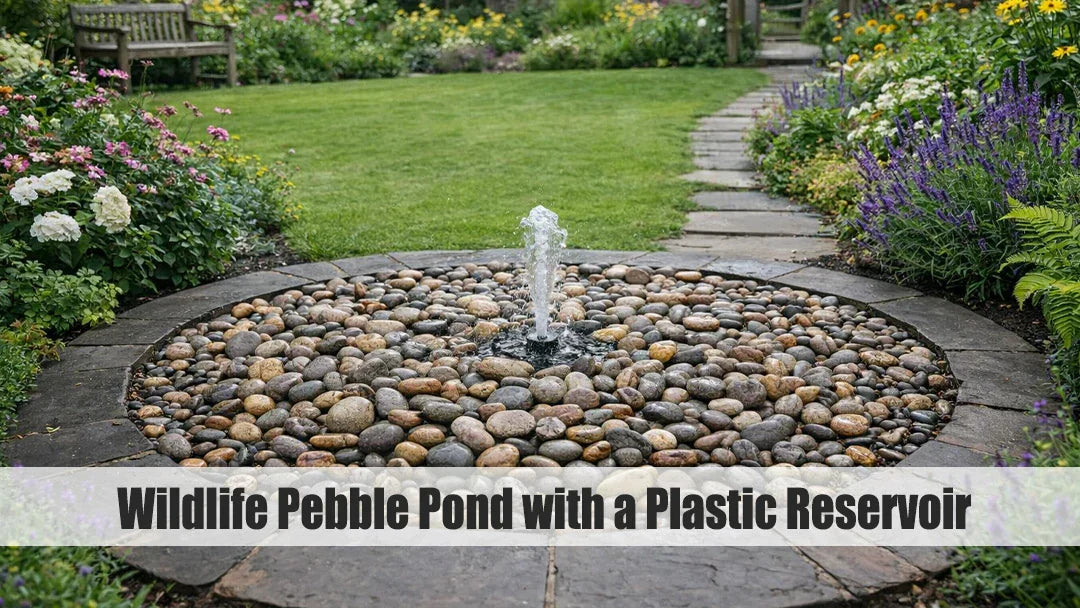
This is where pebble ponds can be incorporated into the landscape design. A pebble pond is an alternative type of pond that conceals the body of water under stones rather than being an open pool of water. Water is contained in the plastic reservoir, from where it seeps into the stones arranged in the pebble pond formation.
This type of construction is most effective for wildlife. Birds, insects, and other small animals can drink without falling into deep water. And for anyone asking, "If I do not have the facilities to build a traditional pond, can I build a water feature?" — a plastic small pond pebble pond is often the answer.
In this article, you'll learn how pebble ponds work, why they are suitable for small gardens, and how you can make a pebble pond using a plastic reservoir.
How a Pebble Pond Works and Why It Attracts Wildlife

A pebble pond is a system where the water storage is separate from the surface. This is achieved through the use of pebbles and gravel above the reservoir, which acts as a permeable layer.
Water rises through the stones via capillary action through a small opening, ensuring the surface stays wet without any exposed open water.
For wildlife, this makes a real difference:
- Smaller birds can step from stone to stone.
- Insects land freely.
- Frogs and toads have a place to hide between pebbles.
- In warm weather, this spot remains functional.
This is why wildlife projects for small ponds recommend pebble ponds. They serve as sources of water and habitat without the threats posed by larger ponds, and they can be incorporated easily into small gardens.
What You Need to Build a Pebble Pond with a Plastic Reservoir
Another benefit of a pond-in-a-box system is how easy it is to set up. The components are easy to work with and require minimal skills.

Selecting an Appropriate Plastic Reservoir
The reservoir is the most critical component. It can be a purpose-made pond reservoir, a strong plastic storage box, or a preformed pond shell. The most important thing is that the reservoir is strong and deep.
A deeper reservoir will hold more water and keep it cooler. Check that it will not collapse from the weight of dirt and rock.
Pebbles, Gravel, and Substrate Choices
Have a variety of stone sizes. Larger pebbles give stability. Smaller gravel fills the gaps so that water can rise evenly. Smooth stones are preferable — sharp gravel is not a good idea.
Other Container-Style Water Feature Ideas
If digging is not an option, elevated vases, stone bowls, or large ceramic pots can be used with the same approach. As long as the water isn't visible but stones are accessible, the method works well.
Adding a Water Movement Element
Pebble ponds do not need pumps to circulate the water, but the addition of gentle movement can keep the water fresher and cleaner. A solar pump can create a tiny bubbling action between the pebbles.
A portable option such as the 6.5W Solar Birdbath Fountain Pump with 2400mAh Battery from Poposoap is commonly used because it is wire-free and makes less noise.

Step-by-Step Guide to Building a Pebble Pond
- Choose the right location. Select a spot that receives some sun but not full sun exposure throughout the day. A partially sunny location will also help keep the water cool.
- Dig the hole. Dig a hole just a little bit bigger than the reservoir. Place the reservoir inside and ensure it is level — this helps create even water flow later on.
- Fill with water and install the pump. Fill the reservoir with clean water. If you are using a pump, place it now. Ensure the intake is positioned above where sediment will settle.
- Add a grid or perforated lid. If possible, place a grid or perforated lid over the reservoir. This will hold the layer of pebbles in place and prevent stones from falling into the water.
- Add pebbles gradually. Step back occasionally and observe how the water accumulates between the pebbles. Stop adding pebbles when the surface is damp but not waterlogged.
When complete, the pebble pond should look like a natural stone formation rather than a visible pond.
Pebble Pond Aftercare
Pebble ponds require very little maintenance. There is no surface water to skim and no liner edge to maintain.
- Check water levels during dry seasons and refill when necessary. Evaporation is a gradual process, but it does occur.
- Occasionally turn over a few rocks and clean off any accumulated debris. Do not wash everything at once — some naturally occurring biofilm is beneficial for insect growth.
- If a pump is in use, check it periodically to ensure it is free from blockages.
Conclusion
A pond can be small and uncomplicated and still fulfill a purpose within nature. A small pebble pond feature can still offer animals hydration, habitat, and relief.
Built from a plastic reservoir with minimal materials, pebble ponds make it possible for anyone to bring water into their garden. They demonstrate that even the smallest area can sustain life.
If you would like to explore decorative options that combine pebbles and gentle water movement, you may find this article helpful: Solar Pebble Fountain: Injecting Agility and Natural Beauty into Space

20W 280GPH Solar Water Fountain Pump
$86.99
Enjoy the best solar powered fountain for home gardens. This 20W adjustable pump delivers 280GPH flow—perfect for ponds, birdbaths, and patios.
Frequently Asked Questions
Do Pebble Ponds Attract Mosquitoes?
No. Because the water is hidden, mosquitoes have a hard time laying their eggs.
How Frequently Should the Reservoir Be Refilled?
In temperate climates, check every one to two weeks.
Can Pebble Ponds Be Created on Patios or Balconies?
Yes. These designs can easily be implemented on hard surfaces.


Laisser un commentaire
Tous les commentaires sont modérés avant d'être publiés.
Ce site est protégé par hCaptcha, et la Politique de confidentialité et les Conditions de service de hCaptcha s’appliquent.