

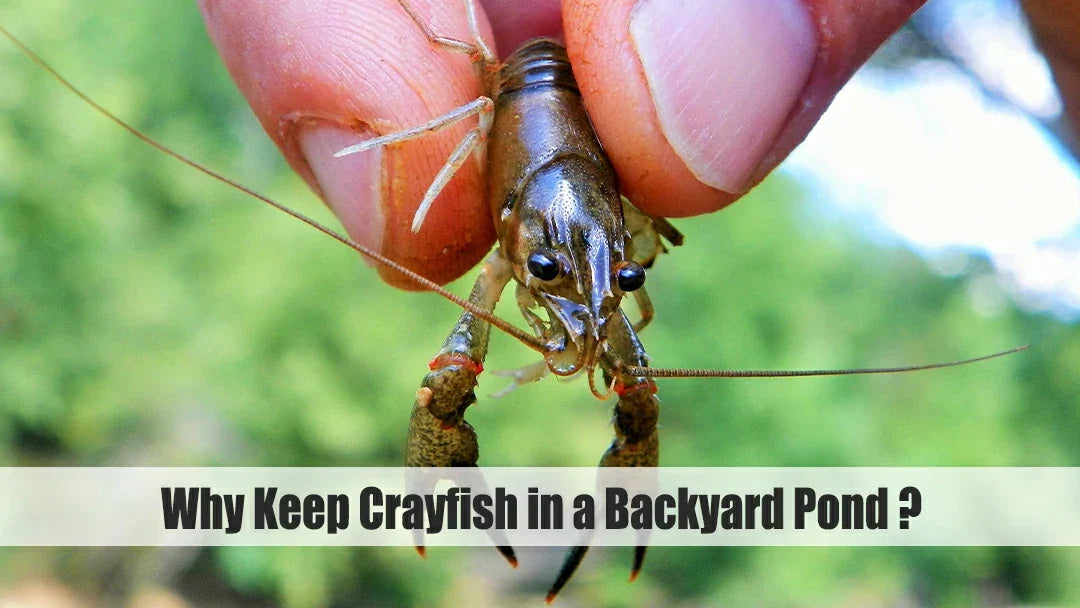
Crayfish aren't necessarily the first things that come to mind when it's time to stock a backyard pond, but once you grasp just how beneficial—and surprisingly entertaining—they can be, it's very easy to see why more and more pond owners are adding them to their freshwater set-ups. They are hardy, fascinating to watch, and helpful in ways many people don't imagine.
Whether you have been considering keeping a crayfish in your pond or simply wanted to know what do crawfish eat, this guide will take you through why they belong in your pond, how you care for them, and what you feed them to keep them healthy and active.
Why Add Crayfish to a Backyard Pond?

1. Natural Cleanup Crew
Crayfish are exceptional scavengers. They sift through decaying plant material, leftover fish feed, and organic matter, which otherwise would settle to the bottom. Their frequent foraging helps prevent detritus from accumulating and possibly causing cloudy water or offensive odors. For ponds with excess leaf litter or waste from larger fish, crayfish add an extra layer of natural housekeeping.
2. Fun and Interesting to Watch
Unlike fish, which swim in open water, crayfish interact with the pond in different ways: walking on rocks, climbing plants, burrowing into soft spots, and sometimes even raising their claws at passing fish. Kids are particularly fond of spotting them during feeding time or after sundown when they become most active.
3. Hardy and Low-Maintenance
Many aquatic species are sensitive to water fluctuations, but crayfish are remarkably resilient. They tolerate a wide range of temperatures, handle imperfect water better than most fish, and don't require any special equipment. Generally speaking, provided that your pond includes oxygen, hiding places, and reasonably clean water, crayfish don't need much intervention to thrive.
Are Crayfish Safe for Your Pond?
Crayfish tend to be docile, but they possess claws and will pinch slow or sick fish if presented with the chance. Healthy, active fish like goldfish, minnows, or shubunkins typically coexist with them without issue. The key here is that crayfish are territorial. Give them rocks, logs, broken pots, or plant roots where they can have their little shelters so as not to feel threatened or overexposed.
What Do Crayfish Eat? (And How to Feed Them Well)
One reason crayfish do so well in backyard ponds is simple—they are not picky eaters. If you're asking what do crawfish eat, the list is longer than you might expect.

Crayfish are both omnivores and scavengers. A diet may consist of:
- decaying leaves
- fallen plant matter
- algae
- dead insects or larvae
- leftover fish food
- small bits of fish waste
- tiny snails
- soft aquatic plants
This makes them easy to feed, but there are a few things you can provide to ensure they remain healthy.
Freshwater Crayfish Food Options
If you want to offer them something more than what they would naturally find in the pond, here are some excellent freshwater crayfish food choices:
- sinking algae wafers
- shrimp pellets
- sinking catfish tablets
- vegetables such as peas, spinach, carrot slices, or zucchini
- occasional protein treats (freeze-dried shrimp or worms)
Crayfish do most of their feeding at night, so dropping sinking foods in the evening helps ensure they get their share before fish eat everything.
Foods to Avoid
Avoid feeding them:
- breads
- processed human food
- salty or seasoned items
- raw meat left too long
- anything containing oils or preservatives
These can pollute the water or harm your crustaceans.
Benefits and Drawbacks to Consider

There are plenty of upsides to keeping crayfish in a pond, but it's worth understanding the full picture.
Pros
- excellent scavengers
- add biodiversity
- interesting to observe
- inexpensive to feed
- help reduce plant decay and debris
Cons
- may nibble on very delicate plants
- can dig small burrows in soft soil
- may catch sick or slow fish
- territorial if overcrowded
For most ponds, the benefits outweigh the drawbacks—especially if you have enough hiding places and a balanced population of fish.
What Size Pond Would Crayfish Need?
Crayfish do not need large ponds but they do need space to claim their territory. A few general guidelines:
- Small ponds (100–300 gallons): 1–2 crayfish
- Medium ponds (400–800 gallons): 2–4 crayfish
- Large ponds (1,000+ gallons): up to 6 or more, depending on rockwork and plant cover
Providing more shelters—flat stones, caves, roots—allows you to safely keep more crayfish without causing territorial disputes.
Do Crayfish Help or Harm Plants?
A little of both. Crayfish may snack on soft or dying leaves, which is actually helpful because it reduces organic waste. However, they can damage delicate or newly rooted plants. Harder-stemmed plants like water lilies, lotus, or established marginals usually hold up well. Floating plants are rarely touched.
Tips for Keeping Crayfish Healthy in a Pond

1. Maintain Good Water Movement
Crayfish like well-oxygenated water. A small aerator will keep the water circulating to prevent stagnant pockets, as will a fountain or waterfall.
2. Add Plenty of Shelter
Provide crayfish with places to hide by adding rocks, clay pots, PVC tubes, driftwood, or dense plant roots to reduce stress.
3. Don't Overcrowd Them
Crayfish are competitive with each other. Too many individuals in a small space lead to fights.
4. Protect Them During Molting
When crayfish molt, or shed their exoskeleton, they are extremely vulnerable. Extra hiding places can help them make it through the molting phase.
5. Maintain Stable Water Quality
They are hardy, but ammonia spikes, polluted water, or chemical runoff can be dangerous.
Final Thoughts
Crayfish add character and color, along with surprising usefulness, to backyard ponds. They clean up the ecosystem, consume an enormous variety of natural foods, and bring a new level of interest to your water garden. As long as you offer them space, hiding places, and the right diet, they're easy to care for and rewarding to keep. Whether you want to increase the biodiversity of your pond or enjoy these little freshwater "tank cleaners," crayfish can be an excellent addition to almost any outdoor aquatic setup.
READ MORE: Are Solar Pond Fountains Any Good?

20W 280GPH Solar Water Fountain Pump
$86.99
Enjoy the best solar powered fountain for home gardens. This 20W adjustable pump delivers 280GPH flow—perfect for ponds, birdbaths, and patios.
FAQs -- Crayfish in Backyard Ponds
Crayfish are omnivorous scavengers. They naturally eat decaying leaves, algae, dead insects, leftover fish food, small snails and soft aquatic plants. You can supplement their diet with sinking algae wafers, shrimp pellets, vegetables and occasional freeze-dried protein treats.
Yes, crayfish are generally safe with healthy, active fish like goldfish and minnows. They only pinch slow or sick fish. Provide plenty of shelters (rocks, logs, pots) to reduce their territorial behavior and keep the peace.
Follow these guidelines: 1-2 crayfish for 100-300 gallon small ponds; 2-4 for 400-800 gallon medium ponds; up to 6+ for 1000+ gallon large ponds. More shelters allow you to keep more crayfish safely.


Laisser un commentaire
Tous les commentaires sont modérés avant d'être publiés.
Ce site est protégé par hCaptcha, et la Politique de confidentialité et les Conditions de service de hCaptcha s’appliquent.