

Dans son article d'aujourd'hui, KingOfAquariums va construire un tout nouveau bassin. En fait, c'est une tâche urgente : il vient de changer l'eau de son propre bassin, ce qui n'est pas un problème en soi.
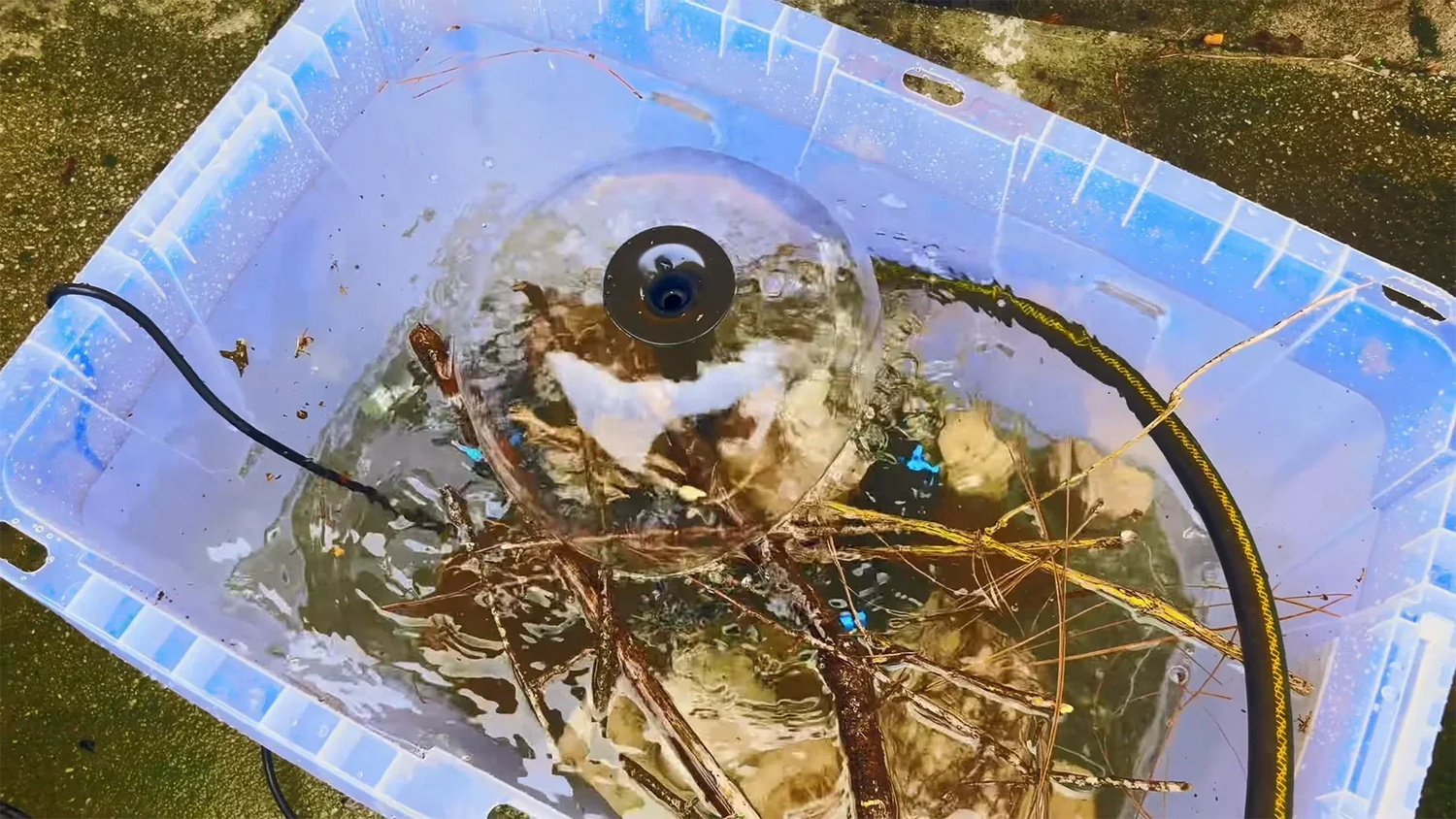
La raison est simple : KingOfAquariums devait trouver un nouvel habitat pour ses cichlidés africains, et la seule solution était de construire un bassin. Il a donc trouvé ce grand bac en plastique ; il était très robuste et il était certain qu'il pouvait contenir de l'eau. De plus, le bac était idéalement situé à côté d'une prise électrique, ce qui répondait parfaitement à ses besoins. Il va maintenant le remplir d'eau pour vérifier l'étanchéité. Si tout est en ordre, il pourra commencer la construction du bassin.

Le choix et l'utilisation des pierres
Il doit d'abord s'assurer que le bassin en plastique ne présente ni fissures ni trous sur les côtés et qu'il peut supporter le poids de l'eau. Si ces deux conditions sont remplies, c'est un premier pas réussi. Ensuite, il placera des pierres au fond du bassin, puis installera une pompe à eau.
L'étape suivante consistait à préparer les pierres. Pendant que le bassin en plastique se remplissait d'eau, il devait vérifier pourquoi le débit était si faible, puis aller chercher des pierres – le blogueur prévoyait d'en prendre dans son propre tas. Ces pierres n'avaient pas besoin d'être précieuses ; de vieilles pierres du jardin feraient l'affaire. S'il n'avait pas choisi de pierres spécifiques, c'est parce qu'il allait introduire des cichlidés africains dans le bassin, et ces pierres pourraient leur apporter les minéraux supplémentaires dont ils ont besoin. De plus, il ajouterait quelques feuilles et branches au bassin ; celles qui traînaient un peu partout conviendraient parfaitement. Ces éléments donneraient à l'eau une teinte plus naturelle, rendant le bassin plus limpide, et seraient également bénéfiques pour les poissons, en particulier les cichlidés africains.
Il expliqua ensuite pourquoi l'utilisation de pierres ordinaires est importante pour les cichlidés africains : ces pierres contribuent à équilibrer la couleur de l'eau. Chaque étape avait donc son utilité, mais l'essentiel était de s'assurer que tout le matériel fonctionne correctement ensemble.
Installation et réglage de la fontaine Poposoap pour bassin
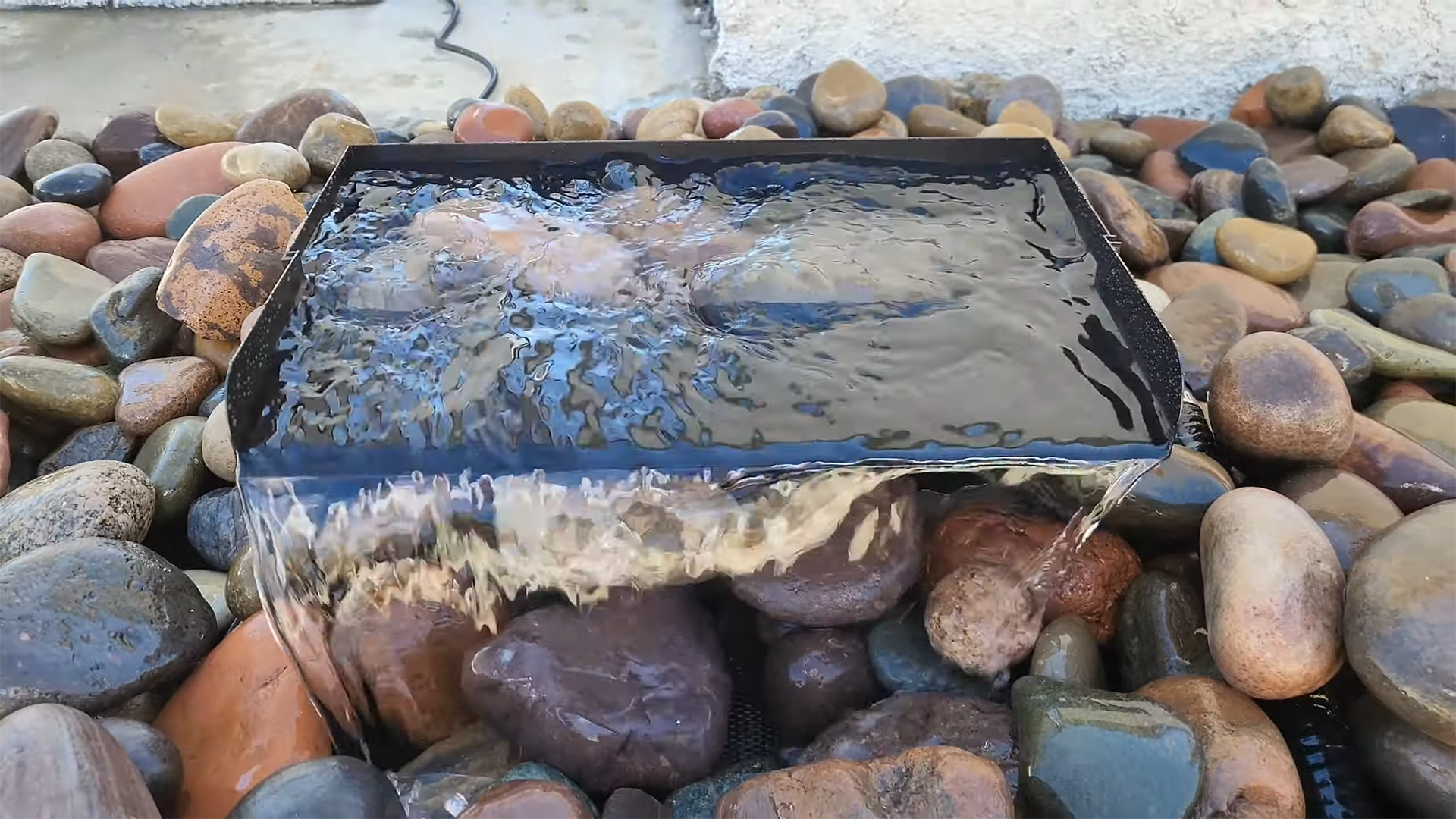
Ensuite, il installerait la fontaine Poposoap pour bassin. Cette fontaine est une véritable aubaine lorsqu'on a besoin d'aménager un bassin d'urgence : elle est livrée avec tout le nécessaire et est incroyablement facile à installer. Il suffit de la déballer, d'emboîter les pièces sur le dessus et de les serrer ; rien de compliqué. Comme vous pouvez le voir, elle comprend tous les composants nécessaires à la filtration du bassin : des bio-balles et des mousses filtrantes pour retenir les grosses particules. L'installation est simple : il suffit d'aligner toutes les pièces avec les trous, d'emboîter les côtés et c'est prêt à l'emploi. Il a appuyé légèrement dessus et les pièces étaient en place.
Il appréciait particulièrement une caractéristique du filtre Poposoap : la molette de réglage située sur le dessus. Comme le bassin qu’il aménageait était relativement petit, il la baissait presque au minimum, ce qui lui semblait idéal.

Bien que ce filtre soit parfaitement adapté aux petits bassins ou situations similaires, il est important de noter les points suivants lors de l'installation : serrez les pièces nécessaires pour contrôler le débit d'eau ascendant. Réglez également la pompe à eau, elle aussi réglable, sur la position la plus basse, car elle permet également de raccorder d'autres équipements ultérieurement. Ceci afin d'éviter les projections d'eau trop importantes et les éclaboussures sur la terrasse. Une fois ces réglages effectués, il pourra commencer à ajouter des pierres dans le bassin pour visualiser le résultat final.
Conseils et précautions pour l'aménagement d'un bassin
Il a également partagé une astuce qu'il vient de découvrir, même s'il sait qu'elle arrive un peu tard : lors de l'installation d'un bassin, il faut d'abord fixer solidement la fontaine ou le système de filtration, qui en constitue l'élément central. Il a déjà fixé le filtre avec des pierres. Il ne souhaite pas trop décorer le bassin car il n'est pas certain que l'équipement fonctionnera correctement une fois branché ; il devra donc faire un essai.

Il a toutefois rectifié une déclaration précédente : il ne faut pas serrer les pièces à fond ; un léger serrage suffit. Cela permet à l’eau de former un petit jet circulaire. Si le serrage est trop important, l’eau giclera de l’autre côté de la terrasse, ce qui agacerait certainement sa femme et les autres personnes présentes.
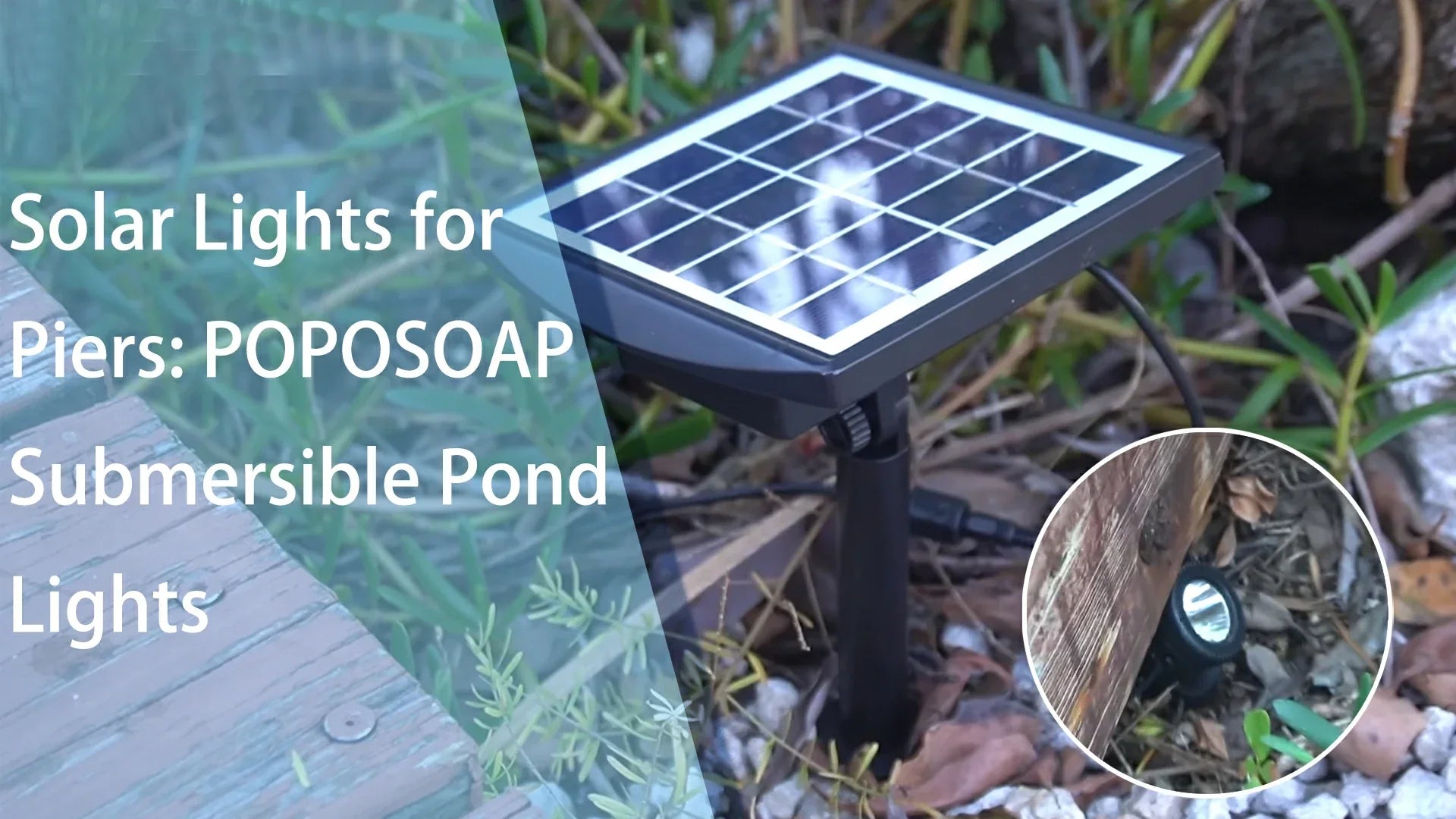
Ensuite, il ajoutera des produits chimiques à l'étang. Il remercie tout particulièrement Poposoap, qualifiant la marque de véritable bouée de sauvetage, car elle lui a permis de trouver un nouvel habitat pour ses cichlidés africains. De plus, ce dispositif n'est pas seulement adapté aux étangs de fortune ; il constitue également un excellent complément pour les étangs ou jardins aquatiques classiques. Poposoap propose aussi une version solaire, qu'il utilise déjà, ainsi qu'une fontaine Poposoap. N'hésitez pas à la découvrir. Il a réaffirmé que Poposoap lui avait été d'une aide précieuse pour la création de ce type d'étang, et il leur en est très reconnaissant.

Enfin, avant d'introduire les poissons, il installe un chauffage dans le bassin. Il est également essentiel de laisser suffisamment de temps à l'eau pour s'acclimater et achever le cycle de nitrification, un processus qui prend généralement environ un mois, bien que la durée exacte puisse varier légèrement.

Laisser un commentaire
Tous les commentaires sont modérés avant d'être publiés.
Ce site est protégé par hCaptcha, et la Politique de confidentialité et les Conditions de service de hCaptcha s’appliquent.